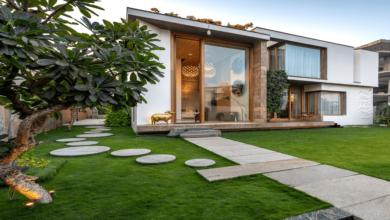
Biophilic Design: Bringing Nature Into Your Home for Better Mental Health

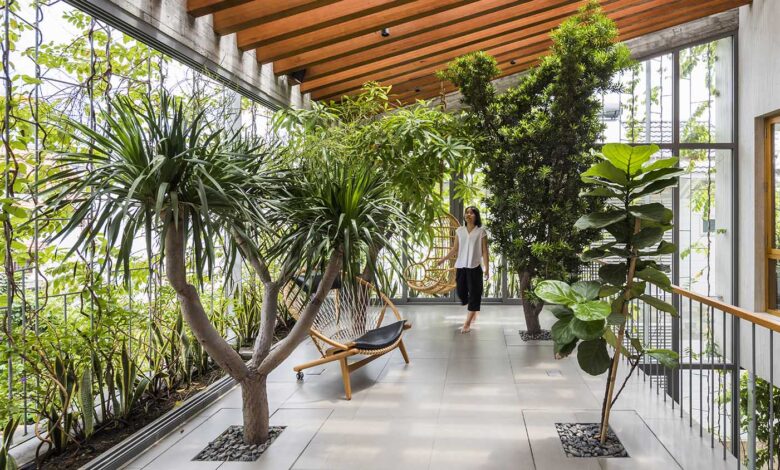
In today’s fast-paced modern world, people long for a deeper connection with nature. From workspaces to private homes, the demand for natural elements in design has grown rapidly. This is where Biophilic Design comes in—a design approach that integrates nature into built environments to create comfort, harmony, and improved mental well-being.
What Is Biophilic Design?
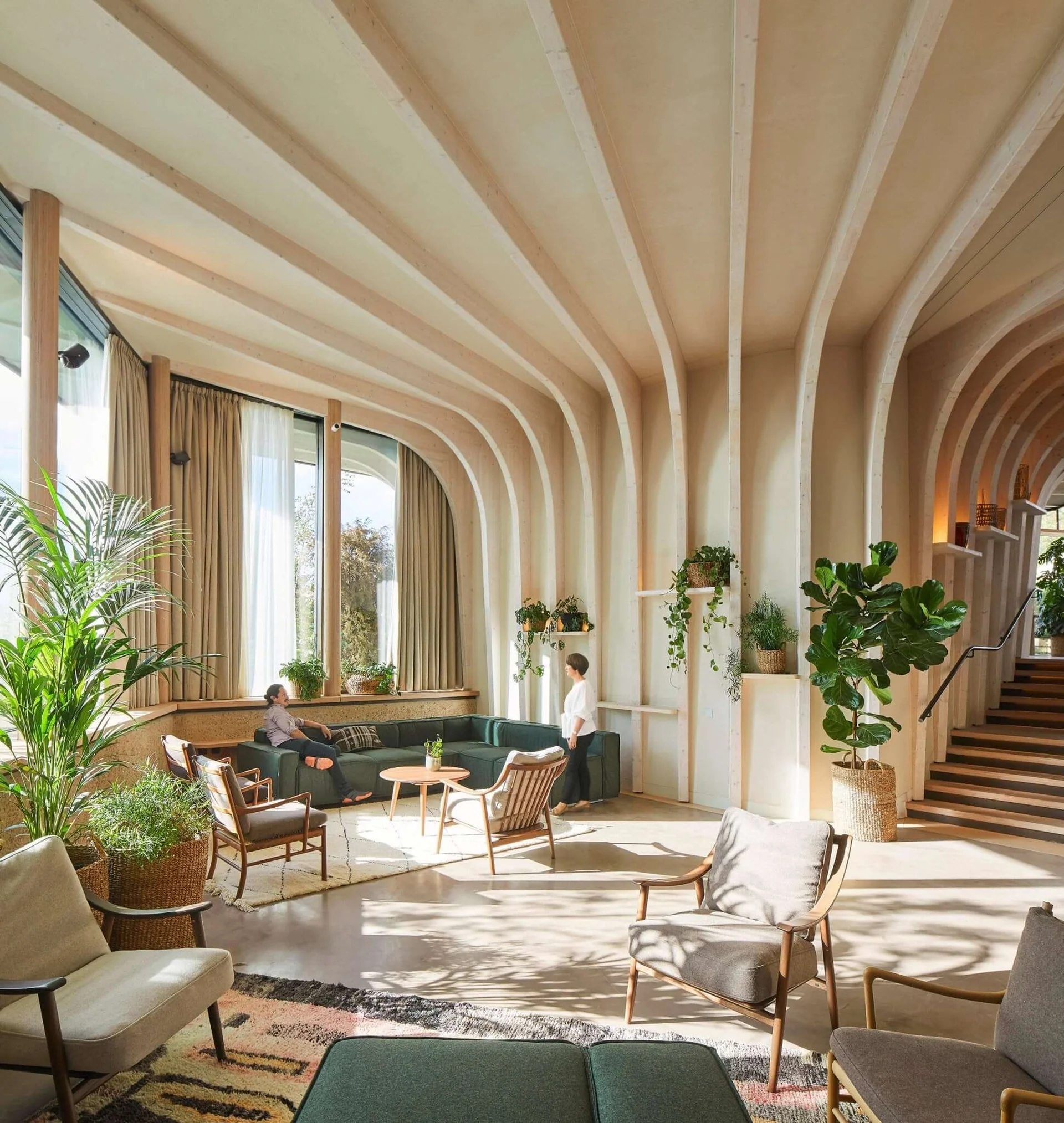
Biophilic design comes from the word biophilia, meaning “love of life and nature.” The concept focuses on incorporating natural elements—such as sunlight, organic materials, greenery, and natural sounds—into architectural spaces. Its purpose is simple yet powerful: to create an emotional and psychological connection between humans and the natural world.
The Mental Health Benefits of Biophilic Design
Countless studies in environmental psychology and neuroscience have revealed that exposure to natural elements inside our living spaces can significantly improve mental and emotional well-being. One of the most well-documented benefits is the reduction of stress and anxiety levels. When individuals are surrounded by greenery, natural textures, and soothing sounds such as flowing water, the body responds by lowering cortisol levels, creating a sense of calm and relaxation. This is why homes designed with biophilic principles often feel like sanctuaries where the mind can recover from daily pressures.
Another key benefit is the boost in productivity and focus. Spaces filled with natural light, open windows for ventilation, and indoor plants not only brighten a room but also stimulate creativity and cognitive performance. For professionals working from home or students studying indoors, such an environment enhances concentration and reduces mental fatigue.

Biophilic design also fosters emotional well-being by connecting residents to the rhythms of nature. Living in a space that reflects organic patterns, warm wood finishes, and earthy tones promotes feelings of happiness, peace, and belonging. It is this psychological connection with the natural world that helps individuals feel more grounded and emotionally balanced.
Finally, incorporating greenery into the home directly contributes to better air quality, which plays a crucial role in maintaining both physical and mental health. Indoor plants naturally filter out toxins and pollutants while generating fresh oxygen, creating a healthier atmosphere for the entire household. When combined, these benefits demonstrate how biophilic design is more than an aesthetic choice—it is a holistic approach to sustainable and healthy living.
Biophilic Design Inspirations for Modern Homes
- Green Touch Living Rooms
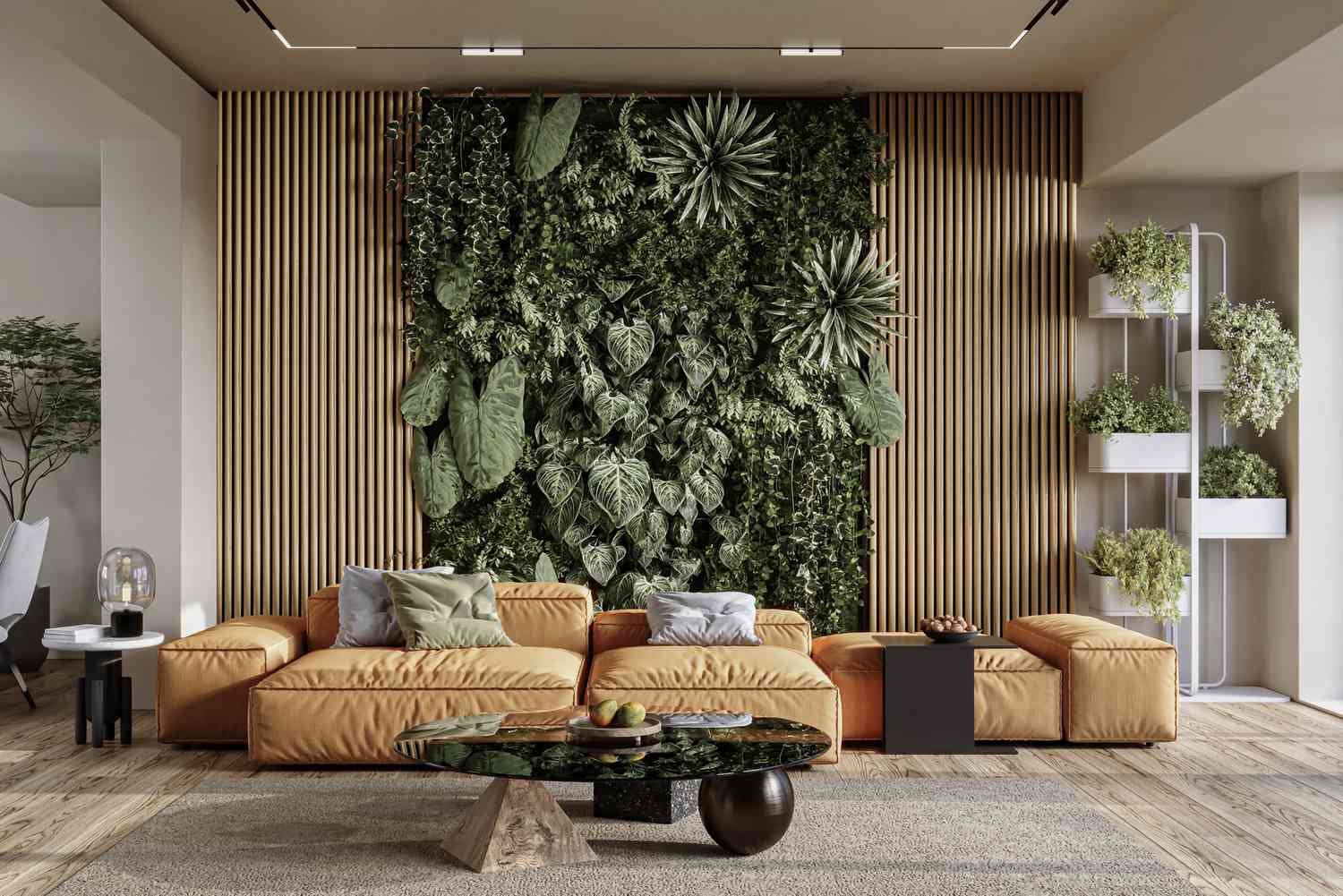
A living room is the heart of all homes, and incorporating biophilic elements can transform it into a sanctuary of peace and energy. Incorporating a living wall—a vertical garden installation—creates a refreshing indoor space that not only enhances the quality of indoor air but also becomes a striking focal point in the living room. Combined with natural materials like rattan furniture, wood coffee tables, and large windows through which lots of natural light flows, a green living room encourages relaxation and socialization in the midst of a nature-infused setting.
- Nature-Inspired Bedrooms
Bedrooms need to be a retreat from sleep and rejuvenation, and biophilic design is the ideal answer. Soft wood tones on floor or furniture, added with gentle, natural light, make for a warm and soothing atmosphere. The inclusion of indoor plants such as lavender or peace lilies improves air circulation and induces relaxation, while a range of earth tones on walls and bedding increases the connection to nature. With the combination of natural textures, scents, and light, a bedroom is not just where one sleeps—it is a healing environment for body and mind.
- Eco-Friendly Kitchens
The kitchen, often called the “soul of the home,” is not excluded from including biophilic concepts. Installing new herb gardens by windows not only brings the green of outdoors inside but serves a practical function as well for cooking. Natural stone countertops, bamboo cabinetry, and skylights with natural lighting maximized can also add to the appearance. Having herbs such as basil, rosemary, and mint nearby adds a sense of freshness while connecting daily activity with the rhythms of nature. This union of beauty and purpose makes the kitchen both eco-friendly and motivating.
- Workspaces with Nature
With remote working on the rise, a biophilic workspace is key to remaining focused and motivated. Having a desk facing natural light can do away with eye fatigue and boost productivity, and having small potted plants such as succulents or ferns nearby is relaxing and invigorating. Natural wood desks, ergonomic furniture, and pale earth tones can create a balanced space that marries comfort and productivity. An environment inspired by nature not only enhances concentration but also reduces stress, hence making it the ideal place for living and working in the modern age.
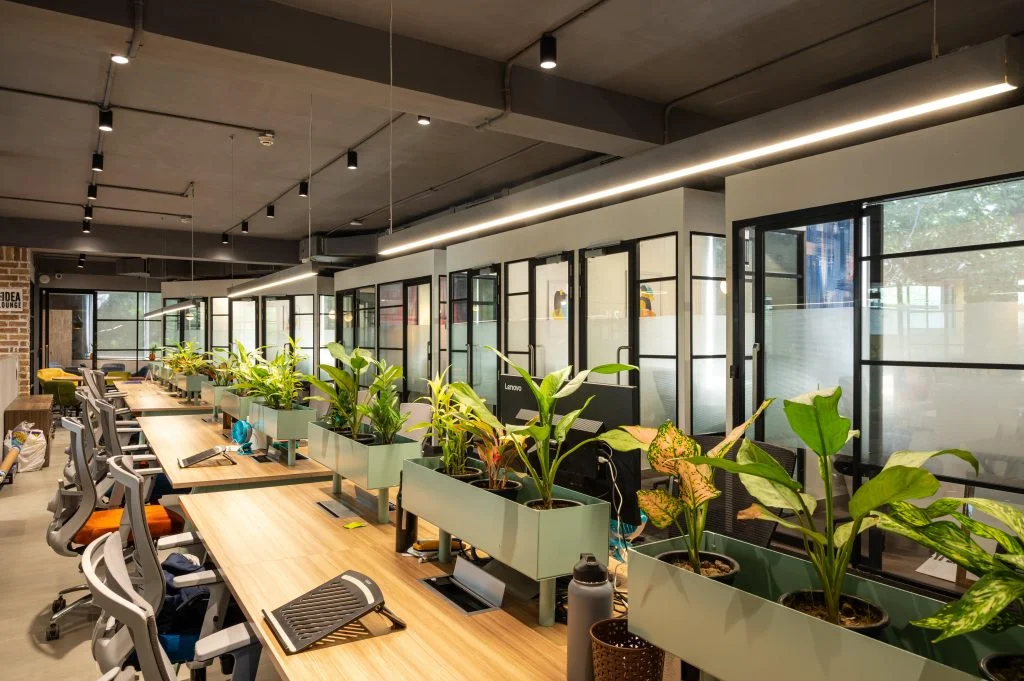
Biophilic Design as a Global Trend
Globally, architecture is shifting toward sustainability and wellness. Biophilic design is no longer just a style—it has become a solution for modern living. From urban offices to minimalist homes, this approach is growing in popularity because it balances technology with nature.